Shows


Videos
-
Homeless Families Are Taking Over Vacant Homes to Protect Themselves From Coronavirus
A group of families in Los Angeles are occupying vacant homes owned by Caltrans, the state transit authority, in the East LA neighborhood of El Sereno.
-
Belarus Is Tackling Coronavirus with Vodka and Soccer
Half the world’s population is in some kind of lockdown, which means half isn’t. For some countries it’s because they’ve weathered the worst of the storm, in others, there’s a different reason. VICE News went to Belarus, the unlikely center of the sporting world.
-
Yes, the Federal Government Can Force You Into Quarantine
For many Americans stuck at home due to the novel coronavirus pandemic, the idea of being quarantined now feels strangely normal. But just a few months ago, the thought was unbelievable. Although President Trump has not taken the step of issuing a nationwide quarantine order, the federal government does have the authority to do so. It rarely flexes the power, choosing to delegate the responsibility to state and local authorities. People subject to quarantines can challenge them in court. And in the past, many have won.
-
Inside Rikers During the Coronavirus Outbreak
Health officials are urging people to stay six feet away from others and wash their hands in an effort to prevent the spread of coronavirus. But for over 4,000 inmates currently detained at Rikers Island in New York, that’s tough to do. VICE News spoke with an inmate at Rikers who described conditions that were cramped and unsanitary. Michael, who did want his last name used in this story, has been incarcerated on a non-violent parole violation since January of this year. And while the New York City Department of Corrections says they’re distributing cleaning supplies to inmates, Michael says the people in his housing unit haven’t received any.
-
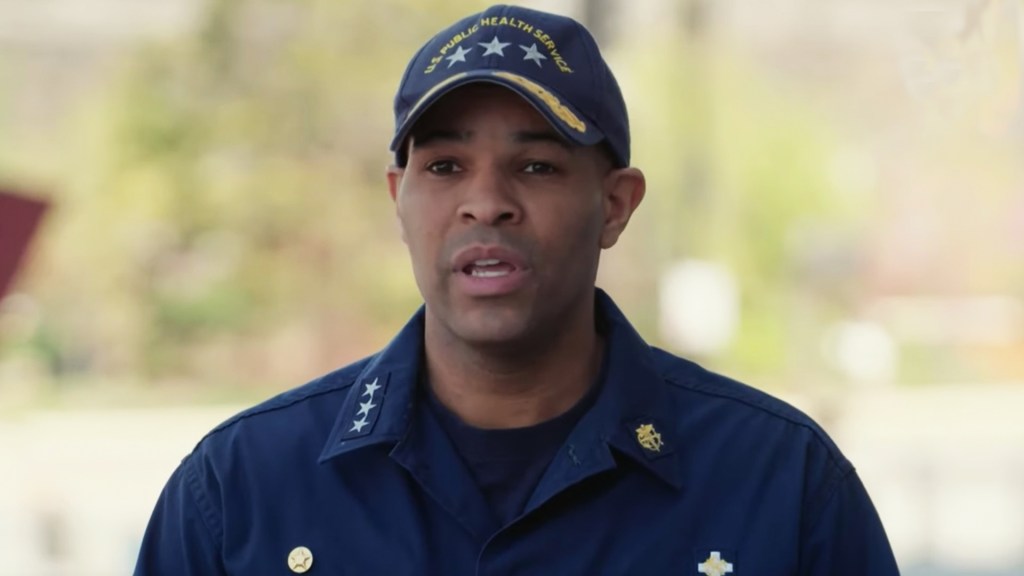
The U.S. Does Not Have Coronavirus Under Control — Just Ask the Surgeon General
Surgeon General Jerome Adams told VICE News on Monday that the coronavirus pandemic is still not under control, but that he remains “very hopeful” that the collective actions of Americans are flattening the curve of the outbreak. “As far as under control, I would say no, and I won’t say we have it under control until we start to see death rates go down, hospitalizations go down and when cases start to go down,” he said outside of the Health and Human Services building in Washington, DC. The nation’s top doctor expressed concern that not everyone is taking Center for Disease Control guidelines seriously, reiterating again that people need to wash hands, stay six feet apart, and avoid nonessential travel.
-
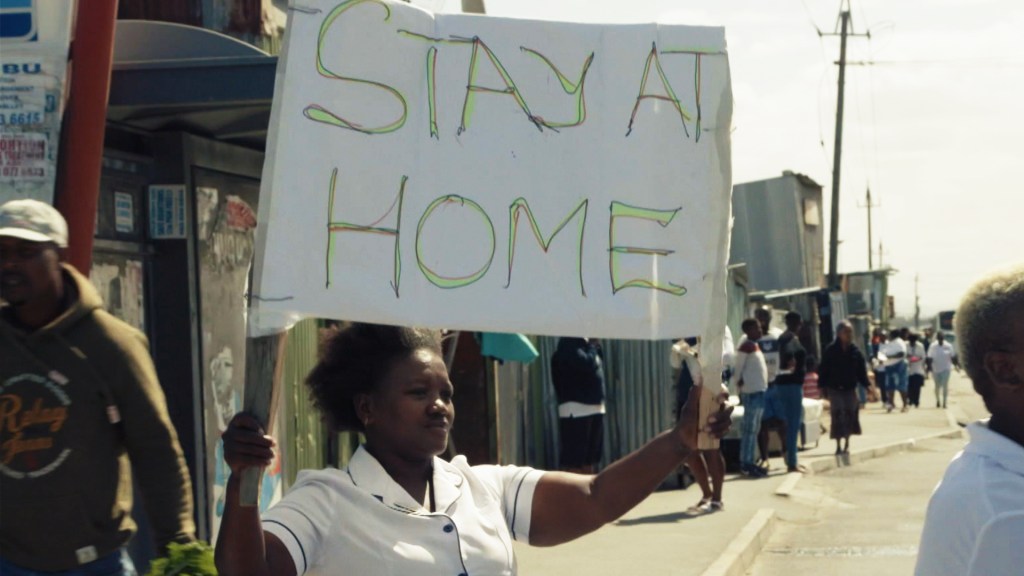
South Africa’s Townships Are Worried About Soldiers, Not Coronavirus
When South African president Cyril Rhamaphosa announced a three week lockdown on 23 March, he acknowledged that his country is particularly vulnerable to COVID-19. The virus, he said, is “extremely dangerous for a population like ours, with a large number of people with suppressed immunity because of HIV and TB, and high levels of poverty and malnutrition.” About a quarter of South Africans live in townships – in cramped, unsanitary conditions, rife with health problems. HIV is more prevalent than in the rest of the population, and in some communities, rates of TB are as high as 80 percent.
-
What Dating During the Coronavirus Pandemic Looks Like
Around the country, people are going on dates — virus be damned. Last Sunday, March 29, there were more swipes on Tinder than any day in the app’s history: 3 billion worldwide. Since mid-March, messages on Tinder and Bumble are also up. Conversations, meanwhile, are lasting longer, perhaps because swipers have basically zero chance of meeting in person. In the absence of physical contact, Covid-19 is enabling new forms of connection. Enter the virtual date, and the virtual hook-up. The pandemic is shifting IRL relationships, too. Calvin Kasulke recently spoke to us about his article for Vice.com about queer people finding love during isolation — with their roommates. “A shocking amount of people live with people that they have secretly been in love with for a very long time.” Will the virus inevitably pull us apart? Or could it also spark new relationships?
-
Italy’s Coronavirus Outbreak May Have Finally Reached Its Peak
After a horrific month with more than 13,000 coronavirus deaths, Italy is hoping its outbreak has finally peaked. Infections have fallen to a rate four times lower than they were two weeks ago. Fatalities appear to be falling, too. On Wednesday, 727 deaths were recorded, down from 837 the previous day. The majority of deaths have taken place in the northern Lombardy region, and there’s still anxiety the virus could take hold in the country’s south.
-
Why Grief Will Help Us Survive Coronavirus
The world is now trying to make sense of a tragedy that makes no sense. A genome enveloped in protein has traveled across borders and oceans to tank economies, push millions out of work and school, and kill tens of thousands. When a loved one dies, we know to grieve. But it’s just as important to grieve a loss of normalcy, says Dr. Patrice A. Harris, a psychiatrist and the president of the American Medical Association. “Anxiety is something that’s talked a lot about, but I don’t think that grief is talked a lot.”
-
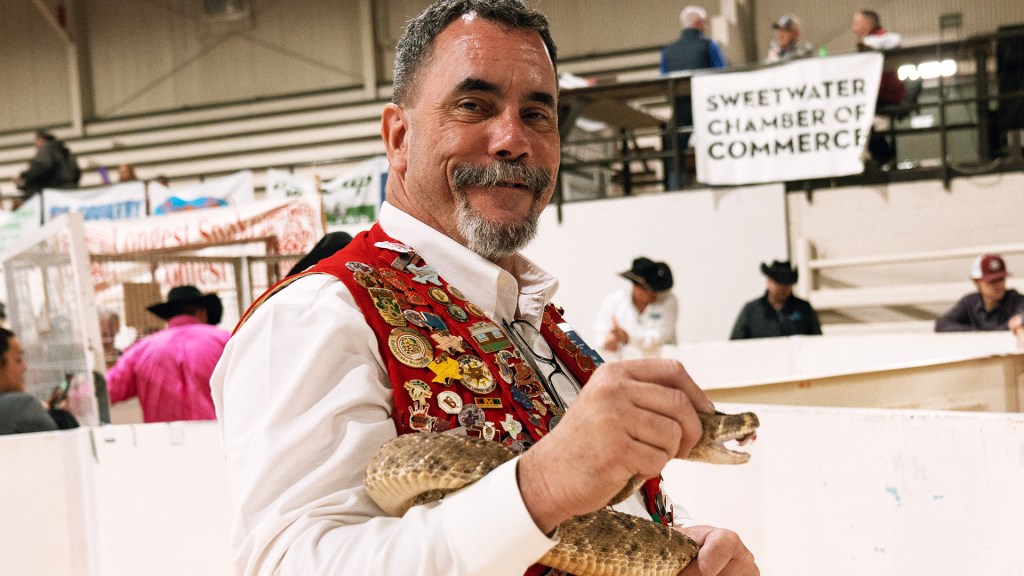
This Texas Town Had a Rattlesnake Roundup During a Pandemic
Normally, Sweetwater, Texas is a tiny town of just under 11,000. But every second weekend in March, tens of thousands of people gather for the “World’s Largest Rattlesnake Roundup” (the “World’s Largest” is part of the name), a multi-day festival where you can pet a live rattlesnake, participate in snake-catching contests, watch the Miss Snake Charmer pageant, or just mill about the souvenir booths with your friends. There’s just one problem. The entire nation is experiencing a pandemic—and it’s not just hitting large cities like San Francisco and New York. On Friday, the Governor of Texas declared a state of emergency.
-
Tear Gas and Bullets Didn’t Dissuade Protesters in Iraq
Iraq’s protesters have endured targeted attacks, abductions and killings. COVID-19 may force their movement off the streets.
-
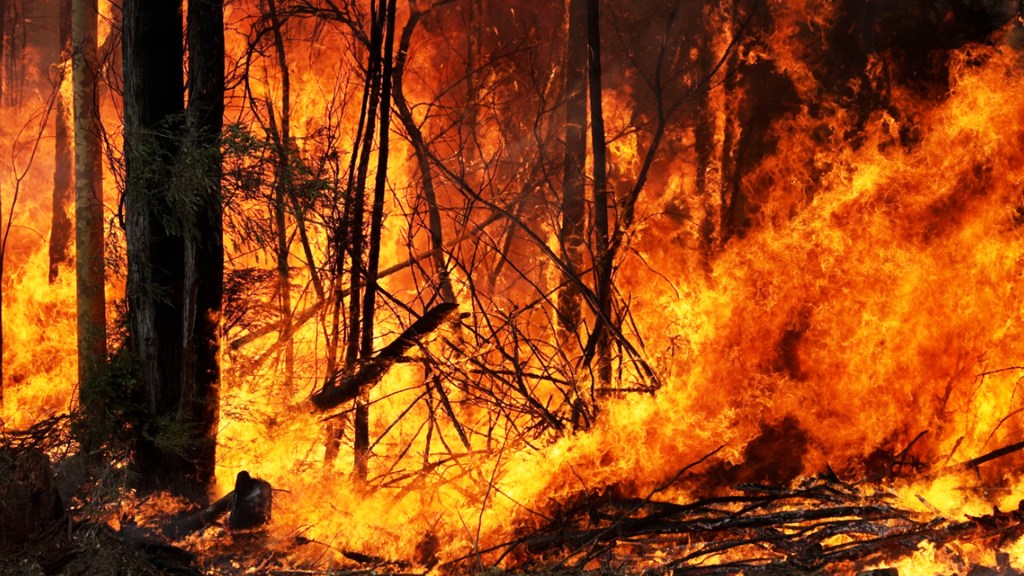
What’s Really To Blame For Australia’s Bushfires
NEW SOUTH WALES, Australia — The worst fire season in living memory has devastated all corners of Australia. The most ferocious of these burned for more than four months, scorching 72,000 square miles of land and destroying more than 9,000 buildings — including 3,500 homes. Thirty-four people died, and millions of wild animals were caught in the flames. For two decades, scientists have said that because Australia’s climate is heating up, the fire season would grow longer and more severe — but for Australian citizens, pinning the blame on climate change isn’t straight-forward.
-
This Is How Religion Is Adapting To COVID-19
“It’s frankly not the government’s responsibility to provide spiritual leadership and care to people in this time,” Rev. Steve Paulikas told VICE News. “It’s our job. We’re figuring it out along with everyone else.”
-
See an Empty World Cleared by Coronavirus
The coronavirus pandemic is shutting down the very things we need in a time of crisis. Even funerals.
-
Greek Islanders Want the Refugee Crisis Over — and the Migrants Gone
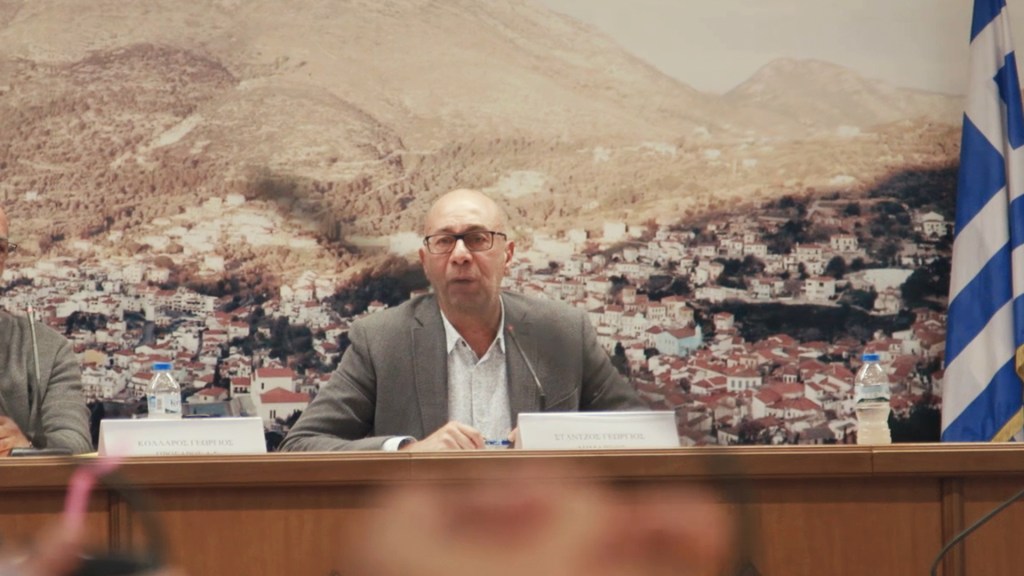
Five years into Europe’s refugee crisis, the multi-billion Euro refugee deal with Turkey has broken down. Less than 2% of the refugees slated for resettlement in the rest of Europe have left Greece, as European nations refuse to implement the bloc’s continent-wide asylum policy. At the same time, almost no failed asylum claimants have been returned to Turkey, while the number of new arrivals have spiked, doubling in the past year. As a result, Greece has been left to cope with the crisis alone, with the bankrupt Southeast European nation transformed into the continent’s open-air prison camp. On the island of Samos, where 7000 migrants and refugees live in squalid conditions on the hillside overlooking a town of 7000 Greeks, locals are enraged. With the tourist economy devastated, islanders feel abandoned by both the Greek government in Athens and the European Union as a whole. The situation’s about to explode: and local islanders blame the mostly Northern European NGOs and journalists they accuse of exacerbating the migrant crisis, and ruining the image of their island overseas. VICE News travelled to Samos to meet the refugees, migrants and locals living in uncomfortable proximity as tensions mount, and local officials demand action from the capital. With tensions at boiling point, this once-idyllic island is the frontline of Greece and Europe’s migrant crisis.
-
America’s EMT Shortage Has Rural Communities Relying on Unpaid Volunteers
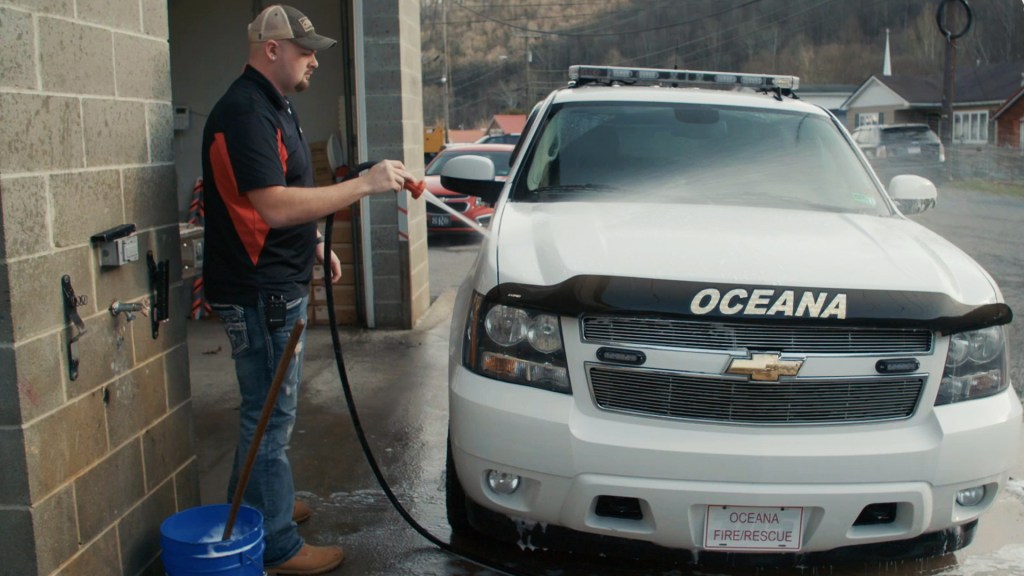
There’s a crisis unfolding in rural America. While big cities are getting bigger, small town USA is shrinking. If you live in one of these rural communities, chances are you’re poorer and sicker than your urban counterpart. Across the country, towns that have less people have even less first responders Oceana, West Virginia is one of those towns. It’s surrounded by logging jobs and coal mines that provide the main source of income for the roughly 1,300 people that live there.